The Ultimate Guide to Berber Carpet Repair: Tips and Techniques


Introduction to Berber Carpet Repair
Berber carpets are known for their durability and distinctive looped texture. However, like any flooring, they can suffer from wear and tear. Repairing Berber carpet requires a unique approach due to its specific construction. In this guide, we'll explore various tips and techniques to restore your carpet to its former glory.
Understanding the material and the nature of the damage is crucial for effective repair. Whether it's a minor snag or a more serious issue, this guide will provide you with the know-how to tackle the problem.
Common Issues with Berber Carpets
Snags and Pulls
One of the most frequent problems with Berber carpets is snags. These occur when the loops are pulled out, often by pets or furniture. While they might seem daunting, snags can often be fixed without professional help.
To repair a snag, gently push the loop back into place using a small crochet hook. If the loop is broken, you might need to use a patching technique to replace the damaged section.
Stains and Discoloration
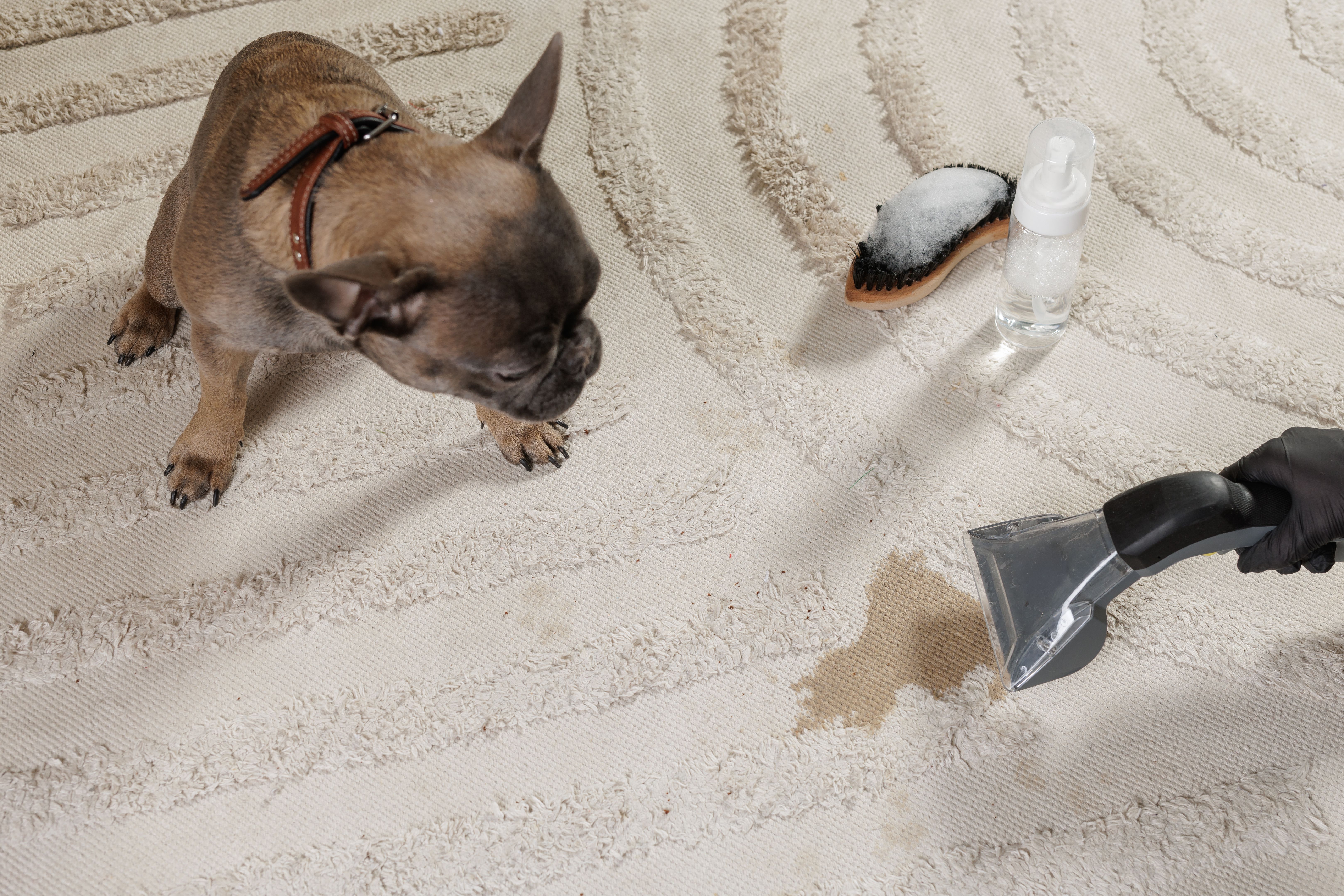
Stains are another common issue. Since Berber carpets are usually made from wool or nylon, they can be more susceptible to staining. Quick action is key. Blot the stain immediately and use a mild cleaning solution specifically designed for Berber carpets to prevent discoloration.
Repair Techniques
Patching
For larger areas of damage, patching can be an effective solution. You'll need a piece of carpet that matches the damaged area. Carefully cut out the damaged section and replace it with the new piece, securing it with carpet tape or adhesive.
Ensure the pile direction matches to maintain a uniform appearance. This technique requires precision, so take your time to align the fibers properly.
Re-looping and Re-weaving
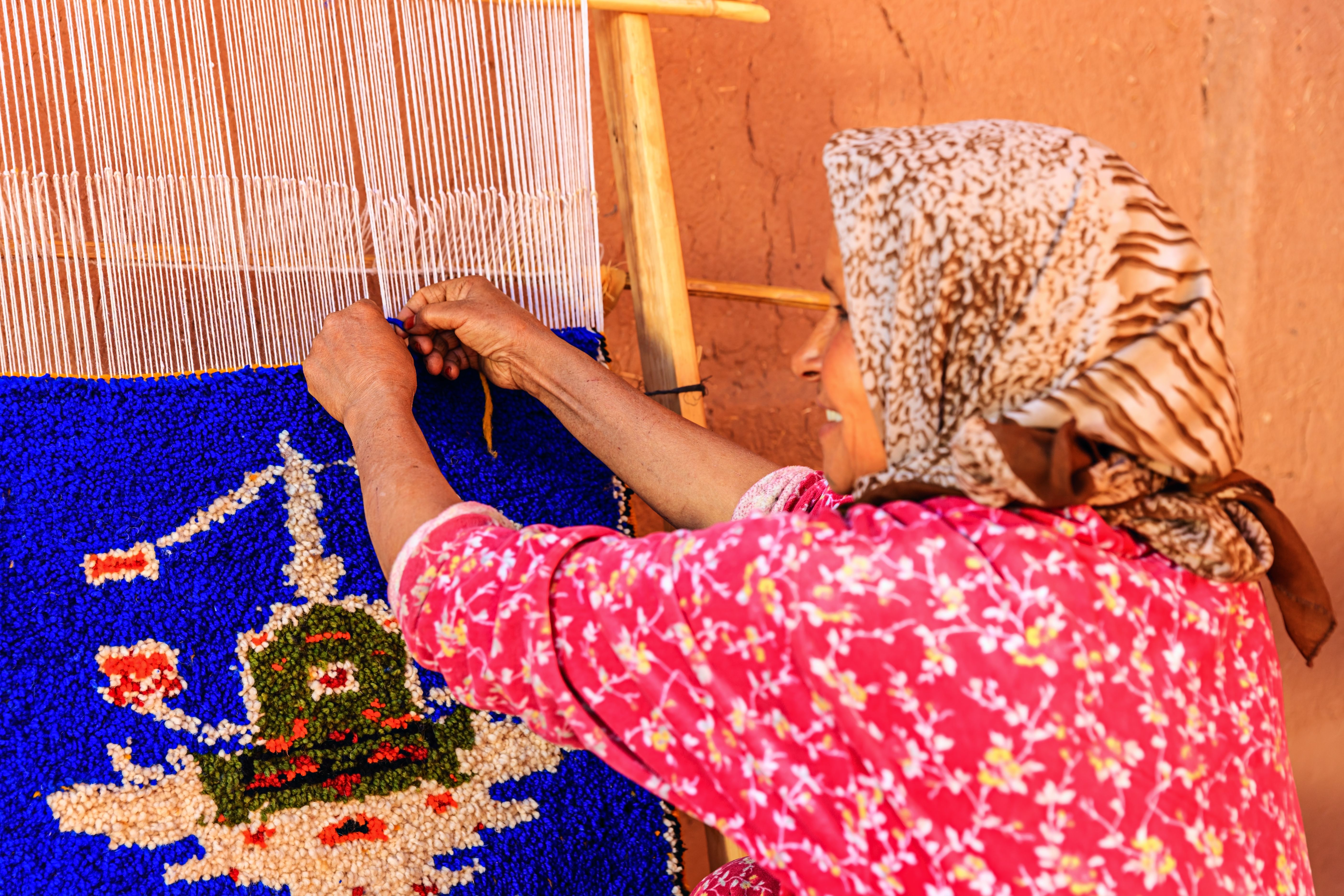
If loops are missing or severely damaged, re-looping or re-weaving might be necessary. This involves threading new fibers into the carpet to recreate the loop structure. It can be intricate but is essential for maintaining the carpet's integrity.
Consider seeking professional help for complex repairs, as this technique demands skill and patience.
Preventative Care and Maintenance
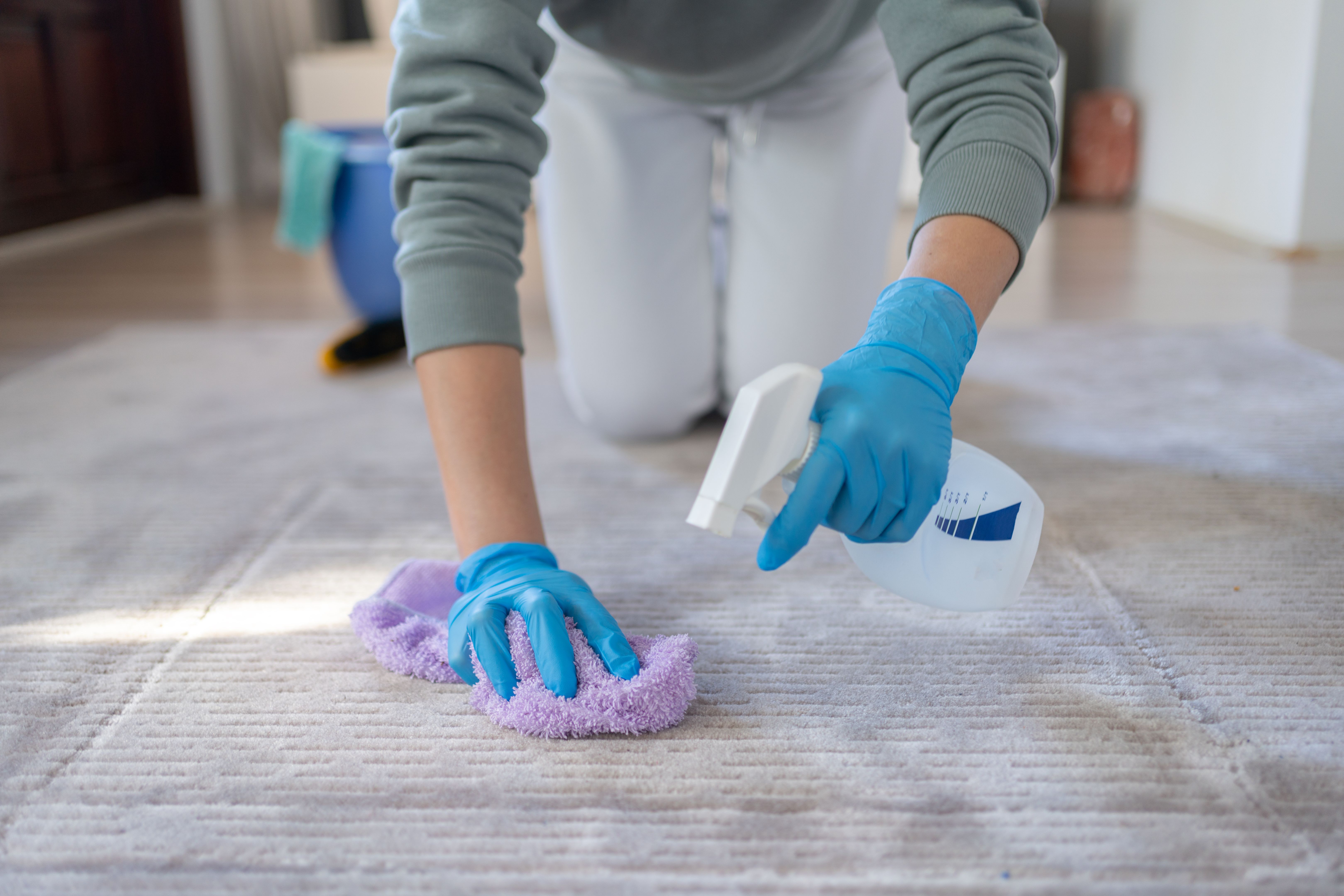
To minimize the need for repairs, regular maintenance is key. Vacuuming regularly can prevent dirt from embedding in the fibers and causing wear. Avoid dragging heavy furniture across the carpet to reduce the risk of snags.
Using area rugs in high-traffic areas can help protect your Berber carpet from excessive wear. Additionally, consider professional cleaning every 12 to 18 months to keep your carpet in top condition.
Conclusion
Repairing Berber carpet might seem challenging, but with the right approach, you can extend its life and beauty. Whether handling minor snags or addressing significant damage, understanding the material and applying the appropriate techniques will make all the difference.
By following these tips and maintaining your carpet regularly, you can enjoy the comfort and aesthetic appeal of your Berber carpet for years to come.